
Parent Information
Understanding Autism & ADHD

Considering an assessment for your child can bring many questions and uncertainties.
You may be wondering whether your child needs an assessment, what the process involves, or what the outcome might mean.
This guide is designed to provide clear, supportive information to help you feel more confident in your next steps.
What is Autism (ASD)?
Autism is a neurodevelopmental difference that can affect how a person communicates and interacts with others, processes information, and experiences the world around them.
It is described as a “spectrum” because every autistic person is different, with their own individual strengths, needs and experiences.
Children and young people with autism may:
Experience differences in social communication and interaction
Find aspects of social understanding or relationships more challenging
Prefer routine, predictability or familiarity
Experience sensory differences, such as sensitivity to noise, light, textures or other sensations
Have focused interests or particular areas of strength
Autism is not something to be “fixed”, but something to be understood. A thoughtful assessment can help identify both a child’s strengths and the areas in which additional understanding or support may be helpful.
What is Attention Deficit Hyperactivity Disorder (ADHD)?
ADHD (Attention Deficit Hyperactivity Disorder) is a neurodevelopmental condition that can affect attention, activity levels, impulse control and executive functioning.
ADHD can look very different from one child to another. Some children may be noticeably active or impulsive, while others may experience difficulties with attention, organisation or regulation that are much less visible.
Children and young people with ADHD may:
Find it difficult to sustain or regulate their attention
Become easily distracted or find it difficult to complete tasks
Experience restlessness or a need for movement
Act or speak impulsively
Find organisation, planning or time management difficult
Experience difficulties with emotional regulation
Children with ADHD can also have many strengths, including creativity, enthusiasm, curiosity and the ability to become deeply engaged in things that interest them.
A comprehensive assessment considers these experiences in the context of the individual child, their development and how they function across different areas of their life.
Externalised presentations
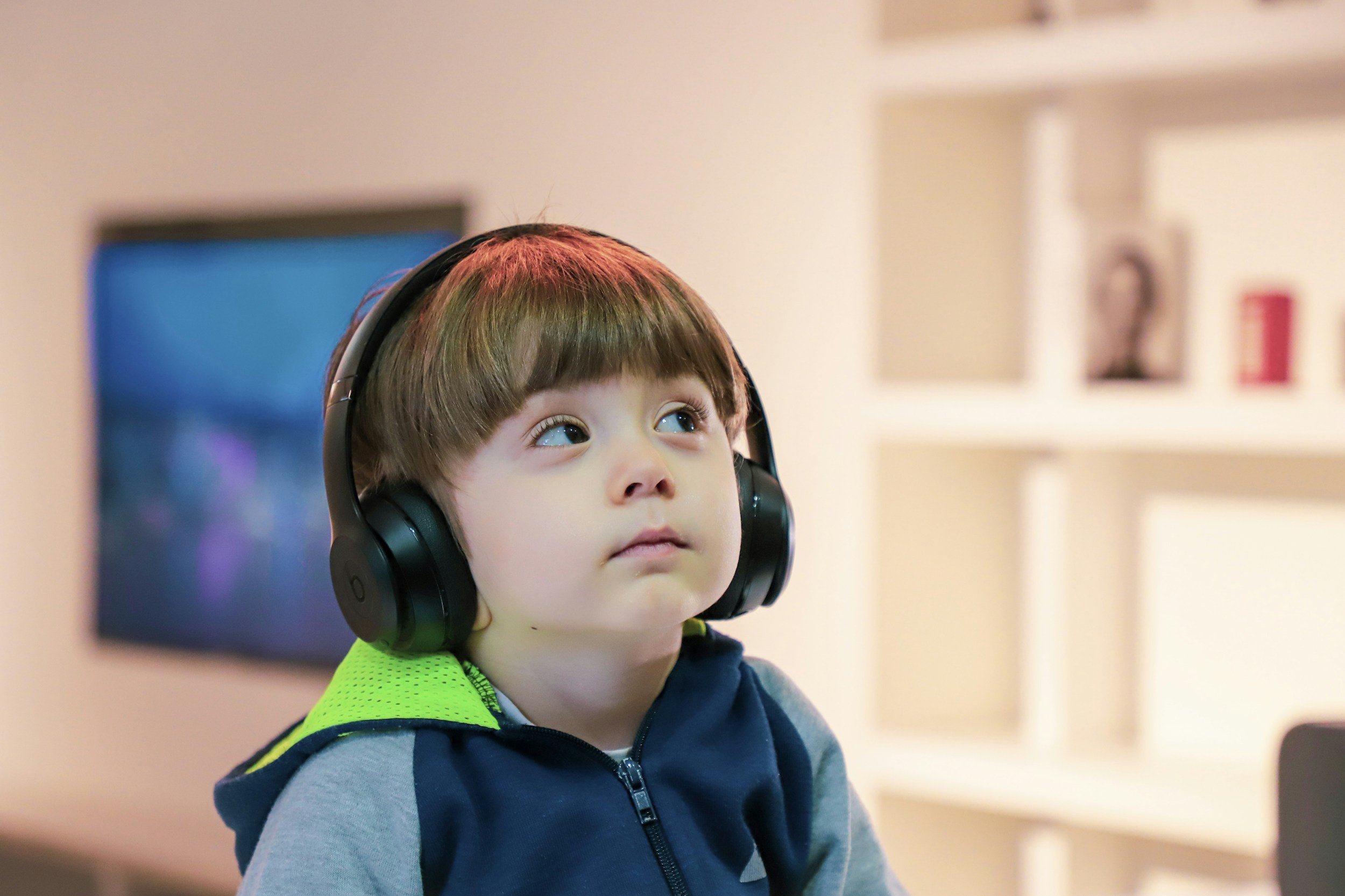
Autism and ADHD can present differently from one child to another, and these differences can affect how easily a child’s needs are recognised.
Some children show more externalised presentations, where their differences are more visible to others.
This may include:
Show high levels of physical activity or restlessness
Have a strong need for movement or find it difficult to sustain attention
Act or speak impulsively
Experience strong emotional responses
Find changes, transitions or unexpected events difficult
Show behaviours that may be more noticeable to others
These presentations may be more readily recognised because a child’s needs are more visible to those around them.
Internalised presentations

Other children show more internalised presentations, where difficulties are less visible from the outside.
These children may:
Appear quiet, reserved or eager to meet expectations
Mask or camouflage their difficulties, particularly at school
Experience anxiety, overwhelm or exhaustion
Find social situations difficult while appearing to cope
Hold emotions in during the day and release them when they feel safe
Need significant recovery time after school or social situations
Because these experiences may be less visible, a child’s needs can sometimes be overlooked or misunderstood.
Both presentations are equally valid, and some children may show a combination of both depending on the situation, environment or demands placed upon them.
Understanding Masking

Some children and young people may mask or camouflage their differences, particularly in environments where they feel pressure to fit in or meet expectations.
This can involve copying others, suppressing natural responses, hiding distress, forcing eye contact, rehearsing conversations or working very hard to manage difficulties that may not be visible to others.
Masking can require significant effort and may leave a child feeling exhausted, overwhelmed or emotionally dysregulated, particularly after school or social situations.
This is one reason why we consider information from different settings and from the child or young person themselves, rather than relying solely on how they appear during an appointment or at school.
Understanding masking helps us recognise when a child may be coping outwardly while experiencing significant difficulties internally.
Why might my child behave differently at home and school?
It is common for children and young people to present differently across different environments.
A child may appear to cope well at school but experience overwhelm, exhaustion or strong emotional responses once they return home. Others may find the demands of school more difficult while appearing more relaxed and regulated at home.
Differences between settings do not mean that one account is more accurate than another. They can help us understand how environment, demands, relationships, sensory experiences and feelings of safety may influence a child’s presentation.
This is why our assessments consider information from parents or carers, the child or young person, and education settings where appropriate, helping us build a fuller picture of their strengths and needs across different environments.

Frequently Asked Questions
FAQs:
What are the signs my child may benefit from an assessment?
You may notice:
Differences in communication or social interaction
Difficulties with attention, concentration or organisation
Differences in activity levels or impulse control
Emotional regulation difficulties
Sensory differences
A need for routine or predictability
A sense that your child is finding things difficult, even when this is not always visible to others
Every child is different, and these experiences do not necessarily mean that your child is autistic or has ADHD. An assessment can help develop a clearer understanding of their individual strengths, needs and experiences.
What happens during an assessment?
Our assessments are completed in stages and bring together information from different sources to build a comprehensive understanding of your child. The exact process depends on the type of assessment and your child’s individual needs. You can find full details on our assessment pages.
Will my child’s school be involved?
Where appropriate and with your consent, we may gather information from your child’s school or education setting to understand how they experience different environments.
This forms one part of the wider clinical picture and helps us develop recommendations that are practical and meaningful in everyday life.
What if my child does not meet the criteria?
An assessment does not always result in a diagnosis. If your child does not meet diagnostic criteria, we will explain our findings clearly and discuss what we believe may help to understand their experiences.
You will still receive personalised recommendations and guidance about appropriate next steps or support.
What happens after diagnosis?
You will receive:
A clear explanation of the assessment outcome
A comprehensive written report
Personalised recommendations
Guidance about appropriate next steps
Where helpful, we can also provide counselling, post-diagnostic support and guidance for children, young people and their families.
How do I get started?
We recommend beginning with a free clinicial consultation call to talk through your concerns, answer any questions and help you understand which assessment pathway may be most appropriate for your child.
There is no obligation to proceed with an assessment following this call.
Just click the button below to get started.